What is International Literacy Day?
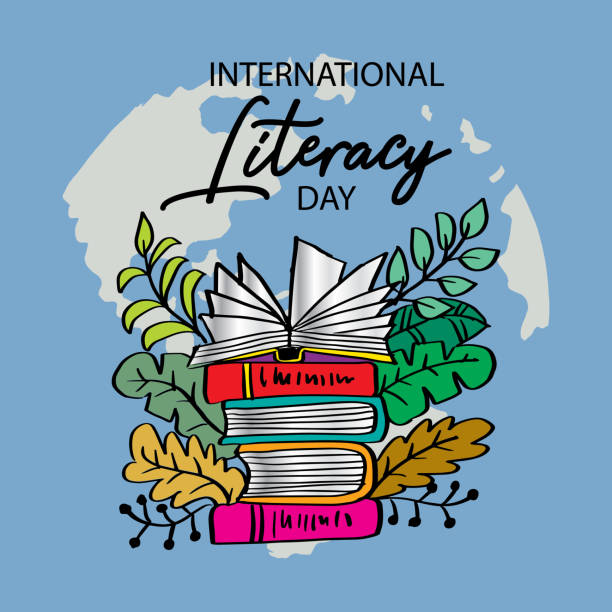
Every year on September 8, we celebrate International Literacy Day to emphasize the value of reading and writing in daily life. It was created by UNESCO in 1966 to serve as a reminder to everyone that literacy is a fundamental human right and a means of encouraging social and personal development.
Why is Literacy Important?
Being able to read and write opens doors to education, better jobs, and informed decision-making. It helps break the cycle of poverty and empowers people to take control of their future. A literate society is also more likely to progress and develop sustainably.
Challenges Around the World
Despite efforts, millions of people still lack basic literacy skills. Many are women and children in areas with limited access to schools or learning resources. Economic barriers, conflicts, and lack of digital access make the challenge even greater.
How the Day is Celebrated
Schools, communities, and organizations mark the day with events, reading programs, and awareness campaigns. These activities aim to inspire people to value learning and support global efforts toward education for all.
A Step Toward a Better Future
International Literacy Day reminds us that literacy is more than a skill—it is the key to opportunity and equality. By promoting education, we can help create a world where everyone has the chance to succeed.
Literacy in Sri Lanka
Sri Lanka has one of the highest literacy rates in South Asia, with over 92% of the population able to read and write. This achievement is largely due to free education policies introduced in the mid-20th century, ensuring access to schooling for children across the country. However, challenges remain in improving digital literacy and providing better learning opportunities in rural areas. On International Literacy Day, Sri Lanka focuses on promoting lifelong learning and preparing citizens for a knowledge-based society.